DeepSeek Harness Lets the Model Write Multi-Agent Workflows. Agent Teams Is Still Experimental

Crafting seamless user experiences with a passion for headless CMS, Vercel deployments, and Cloudflare optimization. I'm a Full Stack Developer with expertise in building modern web applications that are blazing fast, secure, and scalable. Let's connect and discuss how I can help you elevate your next project!
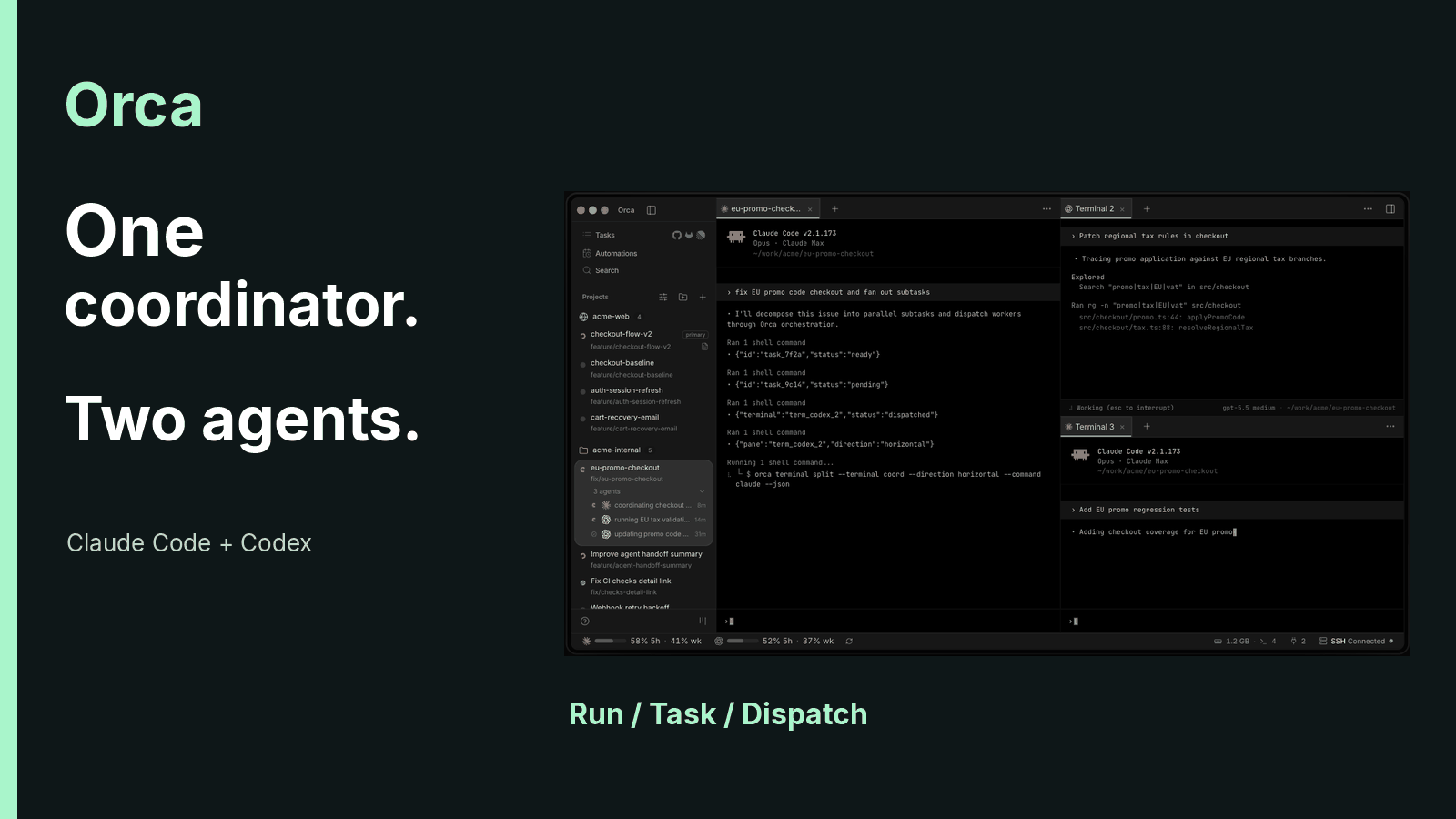
As of v0.1.1-rc.2 on August 21, 2026, the Standard preset in DeepSeek Harness includes Workflow. The model can write JavaScript that starts several subagents and collects their results in one execution. Agent Teams has a different lifecycle. Its official packages preserve members, messages, and tasks, but they remain experimental and are absent from the Standard preset.
That distinction determines which feature belongs in a production review process. Workflow fits a bounded audit with a clear finish. Agent Teams makes sense when members must exchange findings or hand work across several rounds. Start with Workflow for a read-only release audit. Treat Agent Teams as an explicit experimental dependency.
Three claims that need tighter sourcing
Model names, demo results, and installed capabilities often get collapsed into one story. The official material supports a narrower set of claims.
| Common claim | What the official sources confirm | Engineering response |
|---|---|---|
DeepSeek-V4 Flash-V powers OCR and vision |
The supported experimental model is DeepSeek-V4-Flash-Vision-Exp. DeepSeek added it in v0.1.1-rc.1 on August 21, 2026. |
Select the Vision Exp route. Do not treat the standard deepseek-v4-flash route as the same image model. |
| Handwriting keeps its layout, and floor plans become faithful 3D scenes | The release notes provide no accuracy figures or benchmarks for either task. | Review each result against the source. Check text, scale, openings, adjacency, and circulation. |
| The latest version plus Standard mode enables Agent Teams | Standard mounts Workflow. Agent Teams lives in experimental packages and is not mounted by the shipped Standard preset. | Inspect the active tool catalog. If tools such as spawn_teammate and team_task_create are missing, the team runtime is unavailable. |
DeepSeek shipped four pre-releases between August 17 and August 21. rc.7 added persistent image attachments and Profile Bundles for Codex and Claude Code subagents. rc.8 expanded native image requests. rc.1 added the Vision Exp model, and rc.2 followed with Files API uploads and image preprocessing.
These builds are developer previews. DeepSeek explicitly warns that breaking changes can land during the preview period. Pinning the installed release and recording the active profile are basic reproducibility controls here.
Workflow turns one assignment into JavaScript
Workflow asks the model to write an orchestration script before the subagents run. A call supplies meta, a plain JavaScript script, and optional args. The script supports top-level await and returns JSON-serializable data. The current engine opens a Node.js worker thread for each execution.
The script starts a subagent through agent(). Without a schema, the call returns text. With a supported JSON Schema, the parent script receives a structured object. parallel() fans out independent checks, while pipeline() passes one phase's output into the next.
Invalid script arguments, unsupported schemas, and agent-limit violations stop the Workflow. They do not become ordinary subagent failures. That behavior matters when the final report must distinguish a clean audit from a partial run.
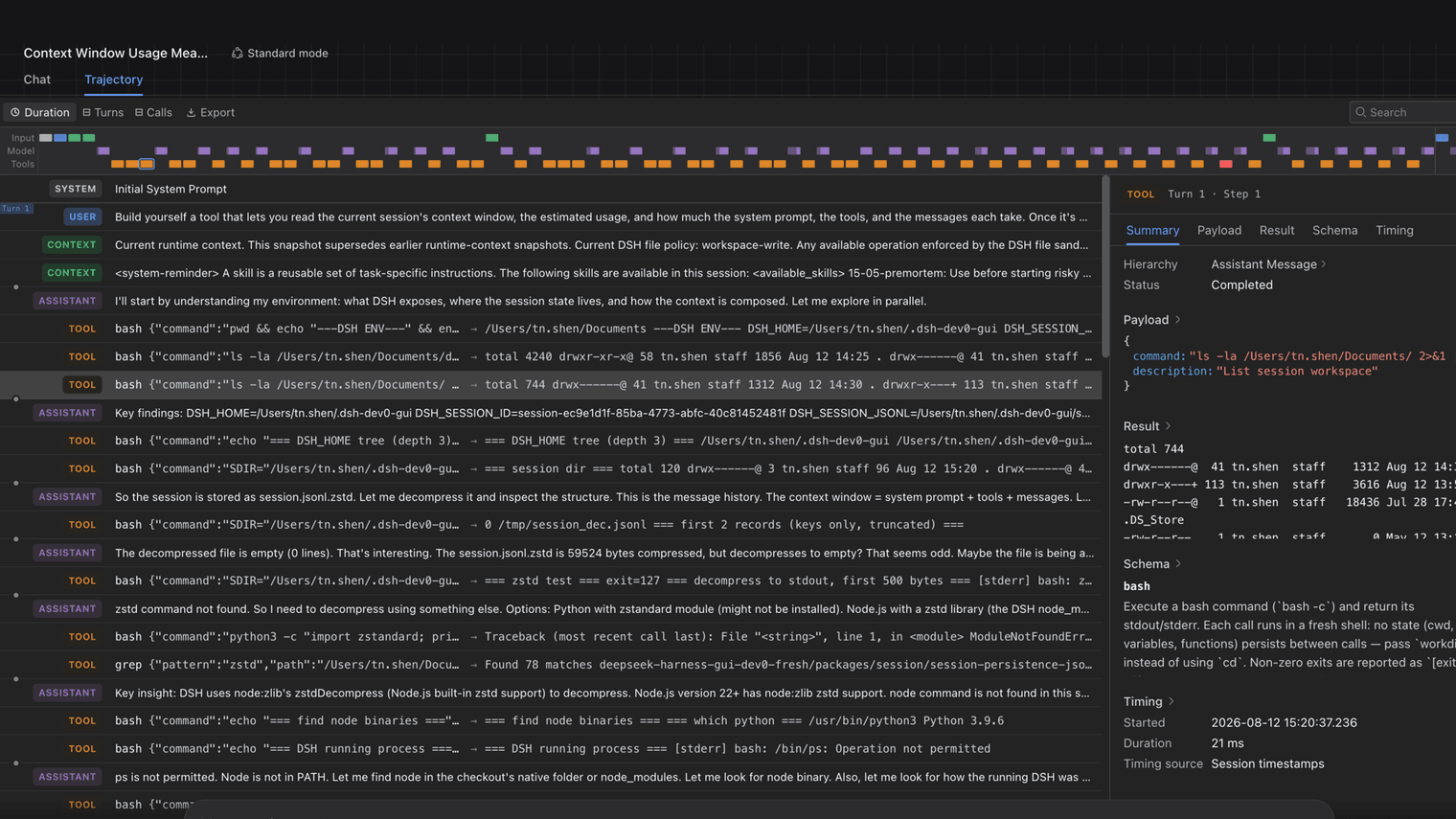
Code review maps well to this execution model. Module boundaries, error paths, test gaps, and input validation can be inspected independently. Each subagent can return file-and-line evidence. The main agent then removes duplicates and ranks the confirmed findings.
A four-part read-only release audit prompt
This template fixes the scope, output fields, and failure behavior before the fan-out begins. Test it on a disposable repository first, then adjust commands and file patterns for the project's language and framework.
Use Workflow to run a parallel pre-release audit of the current repository.

Hard constraints:
- You must use Workflow.
- The entire audit is read-only. Do not create, modify, delete, move, or format files.
- Do not run commands that rewrite lockfiles, snapshots, caches, or generated artifacts.
- Start four independent subagents:
  1. Check module boundaries and dependency direction.
  2. Check error handling and failure paths.
  3. Check test coverage and high-risk untested behavior.
  4. Check input validation, authorization boundaries, and trust in external data.

Each subagent must return structured JSON. Every finding must include:
- area
- severity, using critical, high, medium, or low
- file
- line
- evidence
- impact
- recommendation
- confidence

Each subagent must also list files_read, commands_run, and limitations.
If a file or line number cannot be verified, do not report the assumption as a finding.

After the main agent receives all four results:
1. Merge duplicate findings that share one root cause.
2. Remove findings without code evidence.
3. Sort by severity, then by confidence within each severity level.
4. Return separate confirmed, needs_verification, and rejected groups.
5. If a subagent fails, report partial_result and the missing review scope. Do not invent the absent result.
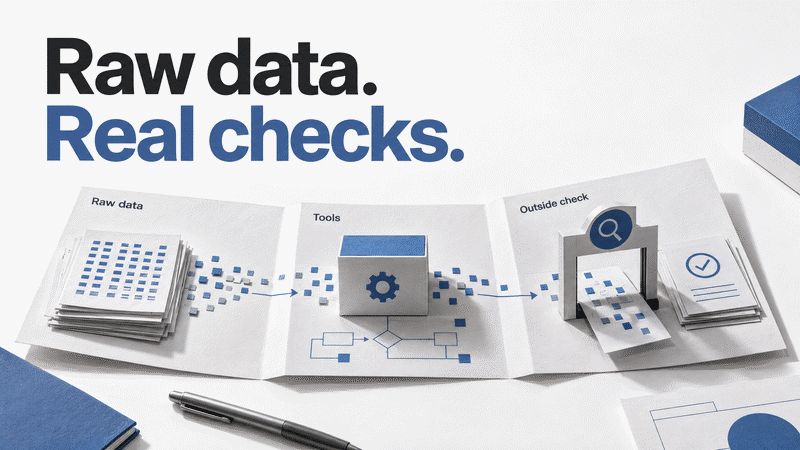
JSON controls the shape of the response. It does not validate the evidence. Sample every finding rated high or critical against the referenced file and line. Then inspect one area labeled safe to detect a search scope that was too narrow.
Parallel review can widen the search. It can also copy the same false positive into four reports. Evidence review remains a separate gate.
Agent Teams keeps coordination state for another round
Workflow subagents work independently and return results to the script. Agent Teams preserves a session for each member. The experimental subsystem defines a durable mailbox, a member roster, and a shared task DAG.
Tasks can move through pending, in_progress, completed, and deleted. The blockedBy field represents task dependencies. That state supports handoffs that cannot be reduced to one fan-out and merge.
Claude Code Agent Teams uses a similar shape: a lead, independent teammates, a shared task list, and direct member messages. Anthropic also labels the feature experimental. DeepSeek Harness goes one step earlier in the availability curve because the Standard preset does not mount its team tools.
| Decision point | Workflow | Agent Teams |
|---|---|---|
| Current official status | Mounted by the Standard preset | Experimental packages; absent from Standard by default |
| Lifecycle | Ends after one execution | Preserves members, messages, and tasks across rounds |
| Member communication | Each subagent returns to the script | Teammates exchange messages through a mailbox |
| Coordination | JavaScript phases, parallel(), and pipeline() |
Roster, shared task DAG, owner, and blockedBy |
| Good fit | Code audits, parallel research, and batch verification | Cross-stack features, competing debug hypotheses, and multi-round integration |
| Main control | Agent limits and explicit partial-result handling | File ownership because writeScopes does not lock files |
writeScopes only warns about overlapping paths. The official types define it as a set of advisory path prefixes. Two teammates can still edit the same file after the warning. Assign file ownership before granting write access. Keep review-only teams read-only.
Natural-language plugin development still ends in a trust decision
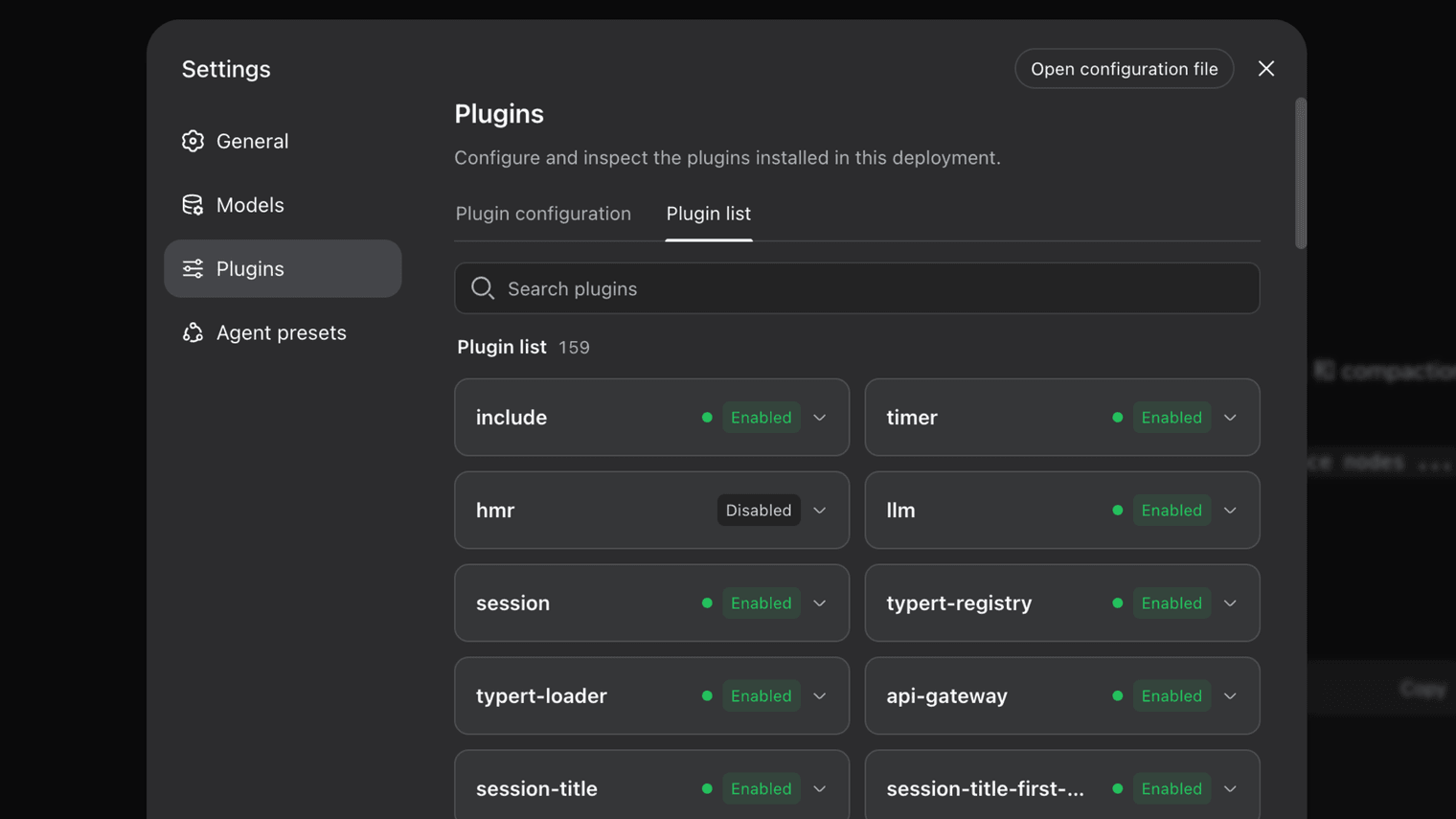
The phrase "Everything is a plugin" maps to a concrete interface in DeepSeek Harness. A minimal plugin is a TypeScript module that exports apply(ctx). It uses ctx to register tools, events, or services. Cordis handles loading, unloading, and dependencies without edits to the Harness core.
An agent can follow the official tutorial, create the files, and add tests. Installation still executes code. The official documentation warns that pnpm's prepare step can run outside the agent sandbox when a TypeScript plugin comes from Git.
Do not install an untrusted source. Pin a reviewed commit instead of a moving branch:
dsh plugin --profile demo add github:you/hello-plugin#<commit-sha>
dsh --profile demo --dump-config
dsh --profile demo
Use --dump-config to inspect the configuration layers before starting the profile. Plugins that touch scheduling, credentials, shell execution, or code-review permissions deserve a separate review of package.json, bundle patches, build scripts, and network calls.
Natural language can reduce typing. It cannot establish trust in the code it generated.
Use Workflow before adopting a team runtime
Choose Workflow when the work can finish in one run and merge at the end. Evaluate Agent Teams only when members must question each other or transfer ownership, and only after the experimental tools appear in the active environment. Package a capability as a plugin when it must work across projects and sessions.
Run the original prompt with one agent first. Stabilize the acceptance format. Then split the audit among four read-only subagents. Move to a messaging team only after the task demonstrates a real coordination requirement.
Skipping those controls often produces a longer report with more duplicate alerts and less verifiable evidence.
Does DeepSeek Harness Workflow require Standard mode?
The official product page lists Workflow in Standard mode's full toolset, and the current Standard preset mounts the Workflow worker and tool. A custom preset can compose a different set of capabilities. Check the active tool catalog before relying on the mode label.
Is Agent Teams stable in DeepSeek Harness?
No. The official repository keeps Agent Teams in experimental packages, and the Standard preset does not mount them by default. Record the Harness version, profile, and loaded bundle whenever a custom environment enables the tools.
Does DeepSeek-V4-Flash-Vision-Exp guarantee OCR or 3D reconstruction quality?
No. The release notes confirm the vision model and image-upload path. They publish no handwriting-fidelity score or floor-plan reconstruction benchmark. Compare OCR field by field. Validate 3D scale, openings, room adjacency, and circulation against the plan.
Can I install a plugin immediately after an agent generates it?
Review it first. Inspect the generated code, dependencies, bundle patch, installation scripts, and requested permissions. Pin a commit SHA after review. A Git package build can execute outside the agent sandbox, so installation grants authority to code from that source.
Sources
- DeepSeek Harness developer preview.
- DeepSeek Harness releases.
- Workflow subsystem.
- Agent Teams subsystem.
- Your first DeepSeek Harness plugin.
- Package and install a plugin.
- Claude Code agent teams.
Author Insight
A multi-agent code review should lock down write access, task boundaries, evidence fields, and failure reporting before anyone debates agent count. Parallel execution amplifies duplicate alerts when those controls are vague. The useful output is a smaller set of findings that a reviewer can reproduce from files, lines, and commands.