Claude Code has earned a solid reputation among developers as a capable AI coding assistant. Yet a common frustration persists: it tends to stop working at around 80% completion, leaving developers to handle the remaining tasks manually. The Ralph Wiggum Plugin—also known as Ralph Loop—addresses this gap directly.
At its core, the plugin implements a While Loop that keeps Claude Code running until every success criterion is met. Rather than executing a single command and stopping, it continuously evaluates whether all requirements have been satisfied. If gaps remain, it proceeds with another iteration of fixes, tests, and documentation updates. This fundamentally changes how developers can approach complex feature development.
How the Self-Verification Loop Works
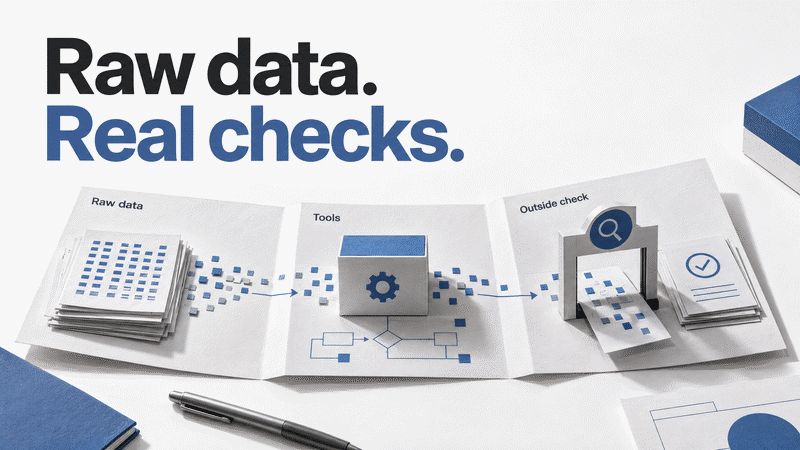
Traditional AI coding assistants follow a straightforward pattern: receive instruction, generate output, stop. Ralph Wiggum introduces a verification phase after each output. The system compares its current work against user-defined success criteria and automatically initiates corrections when discrepancies exist.
The practical benefit is significant. Developers no longer need to monitor AI output quality in real-time or repeatedly issue follow-up commands. Community reports suggest that using Ralph Wiggum for medium-to-large feature development can reduce manual intervention by approximately 60%.
Installation and Setup
| Step | Command | Description |
| Launch Claude Code | claude | Execute within your project directory |
| Install the plugin | /plugin install ralph-loop | Adds the plugin to your current environment |
| Verify installation | /ralph + Tab | Auto-completion confirms the plugin is loaded |
After installation, invoke the plugin with /ralph-loop. Unlike conversational AI coding, Ralph Wiggum requires structured input with clearly defined parameters.
Structuring Effective Prompts
The plugin's effectiveness depends heavily on prompt quality. A well-constructed prompt contains five distinct sections:
Section 1: Plugin Invocation
/ralph-loop
Section 2: Project Title Define the task scope clearly. Example: "Implement Project Management Tool"
Section 3: Requirements List
Full project management functionality
Built with Next.js and Tailwind CSS
Kanban board feature
Integrated to-do list module
Section 4: Success Criteria This section determines when Ralph Wiggum considers a task complete. Sample criteria:
All requirements implemented
No linter errors
Documentation updated
Including "No linter errors" forces the plugin to run code checks after each iteration and automatically fix issues before proceeding. This built-in quality control distinguishes Ralph Wiggum from standard AI coding tools.
Section 5: Execution Constraints
--max-iterations 30
--completion-promise "COMPLETE"
The max-iterations parameter prevents infinite loops and runaway API costs. The completion-promise flag defines the exact string the plugin must output to signal task completion.
When to Use Ralph Wiggum
This plugin serves specific use cases rather than all development scenarios. For minor adjustments—changing a button color or tweaking CSS properties—standard Claude Code works fine. Ralph Wiggum excels in different contexts:
| Suitable Use Cases | Less Suitable Use Cases |
| Building complete applications from scratch | Single-file minor edits |
| Multi-file feature refactoring | Simple UI adjustments |
| Tasks requiring full test suite validation | Quick prototype validation |
| Projects needing synchronized code and documentation | Exploratory code experiments |
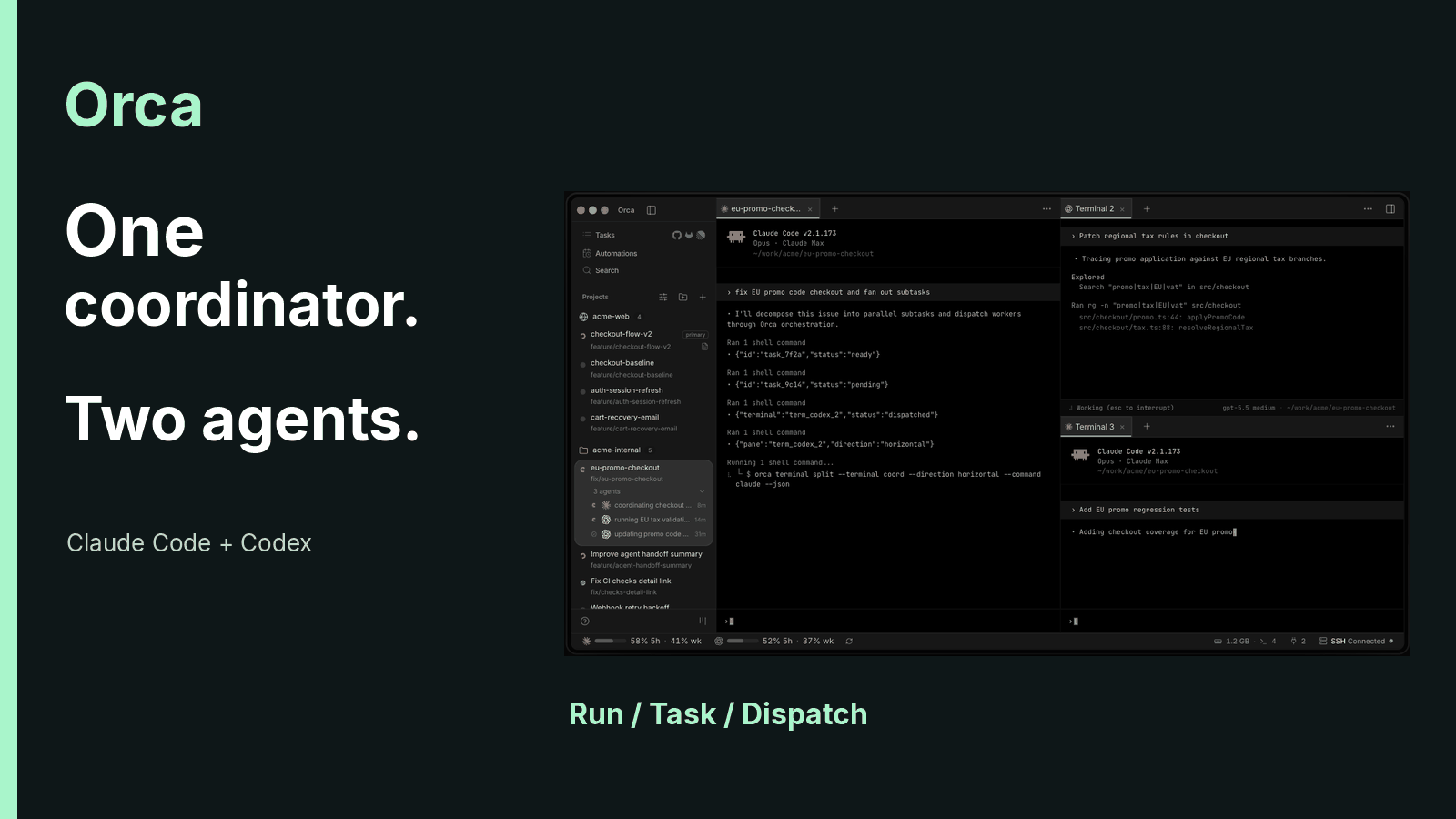
A powerful workflow involves running multiple terminal windows with separate Ralph Wiggum instances handling frontend, backend, and testing tasks simultaneously. This parallel processing approach scales individual productivity to near-team levels. According to LangChain's State of AI Agents report, AI agent architectures can improve development output by 3-5x compared to traditional workflows.
The Shift From Copilot to Autopilot
Ralph Wiggum represents a broader transition in AI coding tools—from assisted development to autonomous execution. Previously, developers using AI tools needed to frequently verify output quality, manually correct errors, and issue continuous follow-up commands. The Loop mechanism internalizes these supervisory tasks, enabling genuine self-correction capabilities.
This shift has implications for developer roles. When AI can autonomously handle planning, execution, and debugging cycles, the developer's primary responsibility moves from writing code to defining specifications and reviewing final output. For startup teams building MVPs under time pressure, this workflow transformation offers tangible business value.
Research from Stanford HAI indicates that AI-assisted development tools can reduce initial development time by 40-55%. However, realizing these gains requires developers to articulate requirements more precisely and establish systematic quality acceptance criteria upfront.
Technical Limitations and Considerations
Several constraints apply when using Ralph Wiggum:
First, max-iterations settings require calibration based on task complexity. Values that are too low may halt tasks prematurely. Values that are too high generate unnecessary API costs. Community experience suggests starting with 20-30 iterations and adjusting based on actual results.
Second, success criteria must be specific and verifiable. Vague standards like "good code quality" cannot be evaluated by the plugin. Replace them with measurable criteria: "ESLint passes with zero warnings" or "All unit tests achieve 100% pass rate."
Third, Ralph Wiggum works best for tasks with clear acceptance conditions. Creative work or design decisions requiring human judgment remain better suited to conversational AI assistance.
References
About the Author
Ewan Mak | Digital Strategy Consultant at Tenten
Specializing in AI tool implementation and development workflow optimization, I help organizations translate emerging technologies into executable business strategies. In the AI coding space, I view Ralph Wiggum as marking an important inflection point: it transforms developers from executors into reviewers. This role shift will redefine human-AI collaboration in software development. For resource-constrained teams requiring rapid iteration, mastering these autonomous agent tools is becoming a critical competitive advantage.
Ready to explore how AI coding agents can accelerate your development workflow? Schedule a consultation with Tenten's team to discuss implementation strategies tailored to your organization.
Comments
Join the discussionNo comments yet. Be the first to comment.